
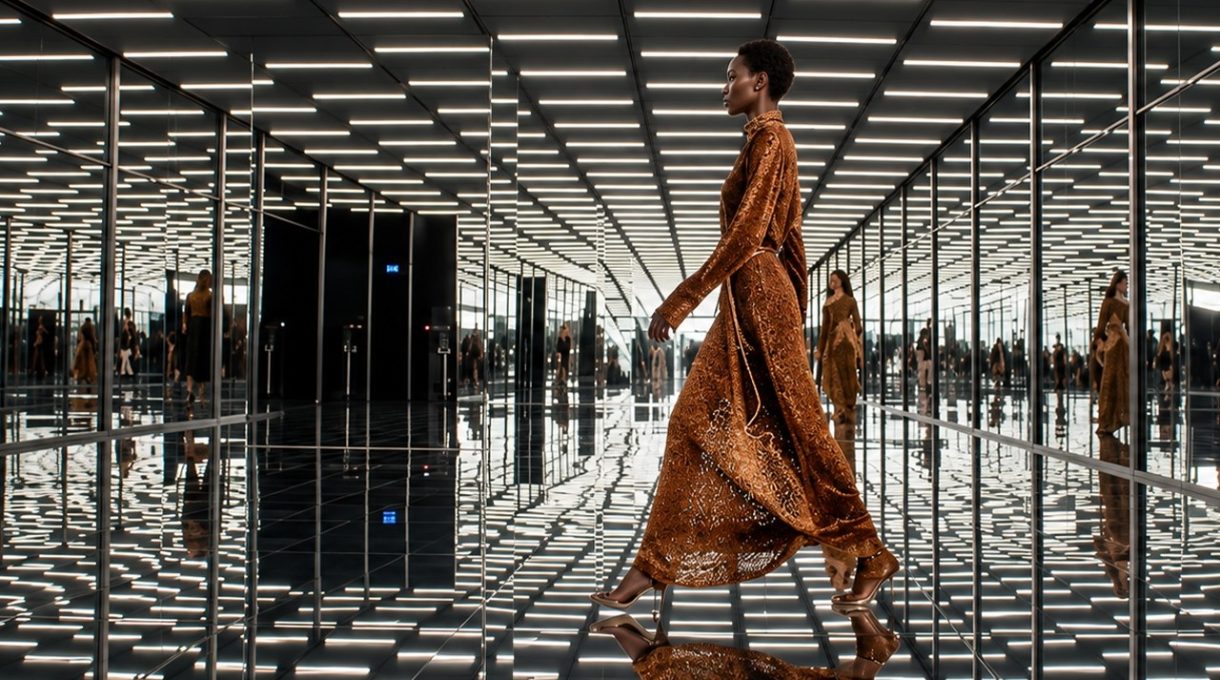
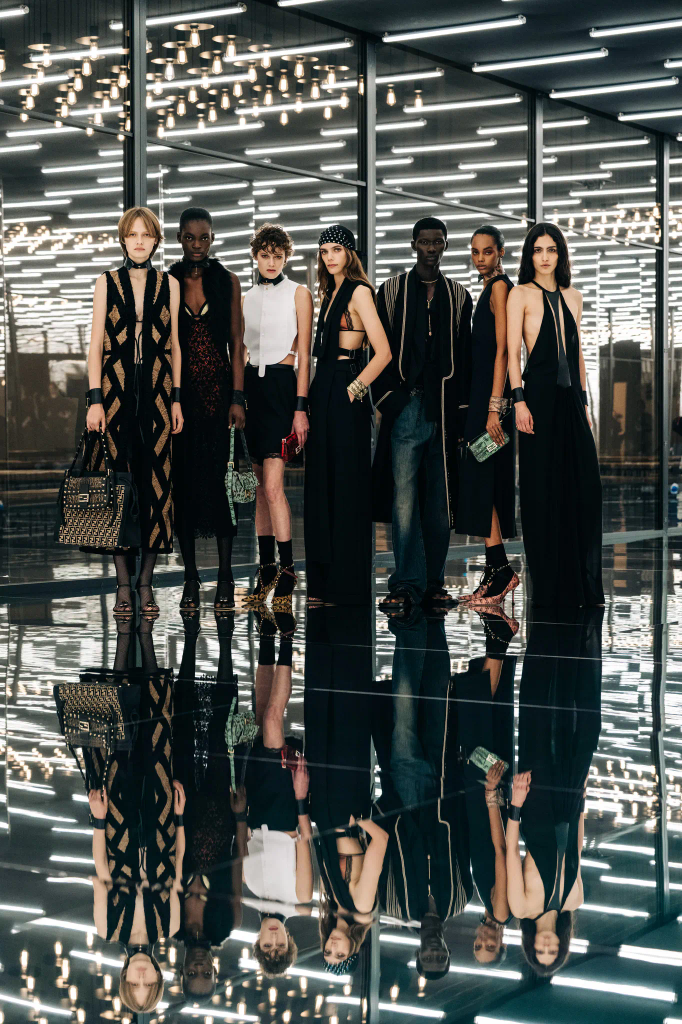
Maria Grazia Chiuri has long been interested in the complicated relationship between women and the clothes they wear. Throughout her career, the Italian designer has explored femininity from different angles, questioning how fashion can shape identity, confidence and the way the body is perceived. For Fendi’s Spring/Summer 2027 collection, that investigation became more intimate and overtly sensual, with the body taking center stage through lingerie, transparency, movement and skin-baring silhouettes.
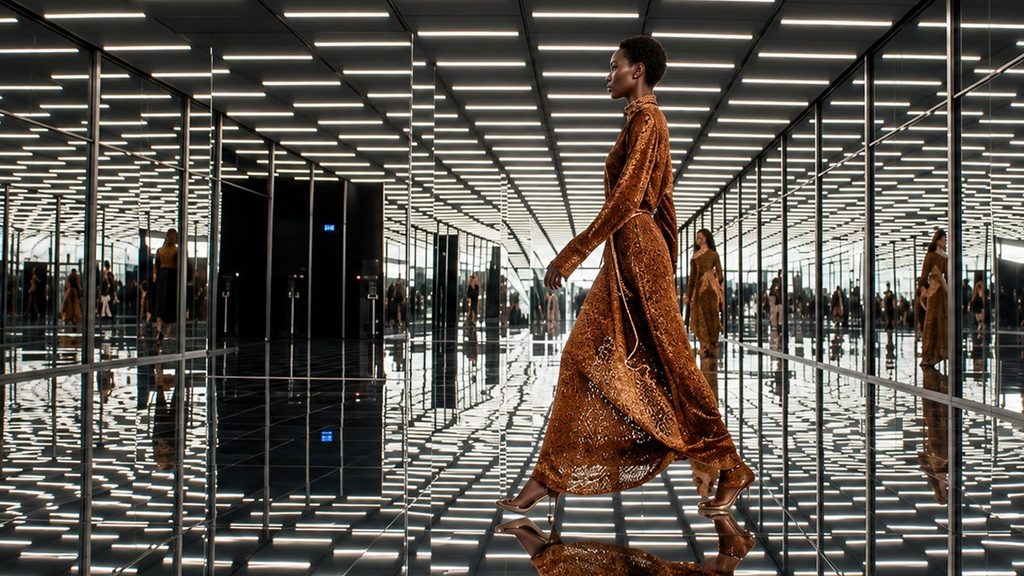
For Chiuri, the starting point was an unmistakably Italian figure: Raffaella Carrà.
The legendary singer, dancer and television personality became the collection’s central muse, bringing with her an image of unapologetic glamour, energy and theatricality. Carrà’s influence is particularly visible in Chiuri’s references to the performer’s television career, including her memorable appearances alongside Adriano Celentano on Milleluci. Their choreography captured a sense of physical connection and movement that became an important thread throughout the collection.
Rather than simply borrowing from Carrà’s wardrobe, Chiuri translated the spirit of that era into a contemporary Fendi language.
Carrà’s famous love of body-conscious fashion offered plenty of inspiration. Catsuits, fitted jersey, mesh, flared trousers and sparkling bralettes all belonged to the visual vocabulary of the period, and Chiuri revisited those elements with a distinctly modern edge.
One particularly striking look was a sleek black jersey catsuit featuring long sleeves, exposed shoulders and silver grommet detailing. Its streamlined shape recalled the confidence of Carrà’s iconic silhouettes while feeling unmistakably current. It was less a costume reproduction than a reinterpretation of the attitude behind it.
The collection also embraced the glamour of the disco era. Shimmering maxi dresses covered in intricate embellishment appeared designed for movement, catching the light with every step. Their dramatic finish recalled the exuberance of 1970s nightlife and the unapologetic glamour associated with places such as Studio 54.
Yet nostalgia was never the ultimate goal.
Chiuri used those references as a starting point for a much broader conversation about the body.
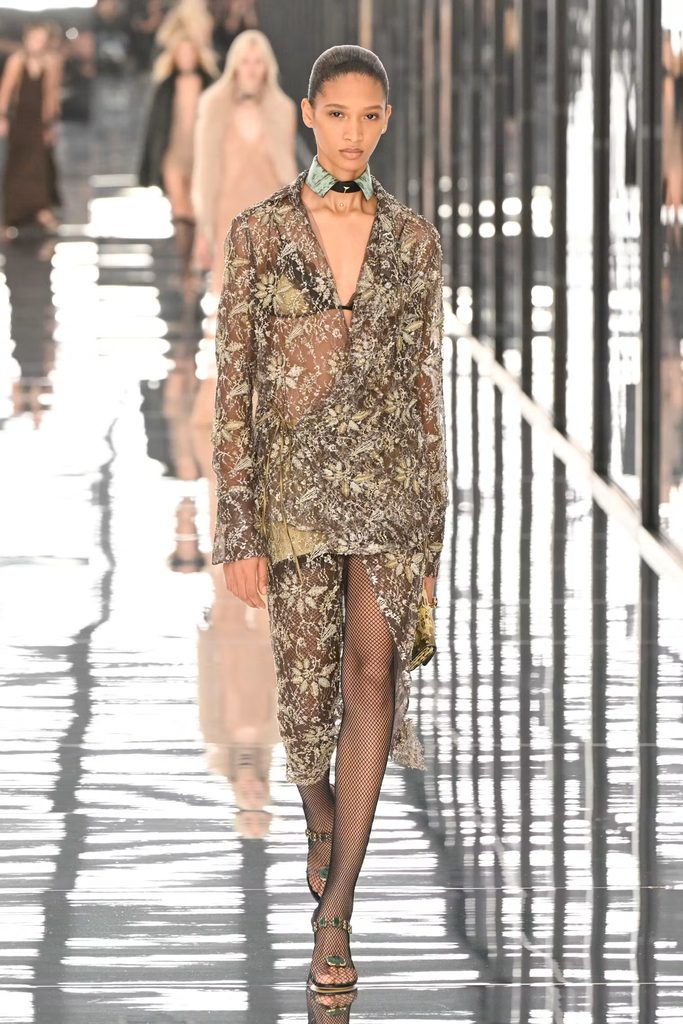
One of the strongest ideas running through the collection was the transformation of lingerie from something private into something deliberately visible. Satin shorts finished with lace were styled alongside matching triangle bras in shades including teal, peach and black. Instead of hiding these intimate garments beneath layers of clothing, Chiuri made them an integral part of the outfit.
The result was sensual without feeling accidental.
Lace became a visible design element. Satin was allowed to stand on its own. Bras helped define the silhouette rather than simply supporting it underneath another garment. The collection repeatedly questioned the traditional boundary between underwear and outerwear.
Transparency pushed that idea even further.
Sheer chiffon dresses revealed the outlines of the body and the garments underneath, creating an interplay between exposure and concealment. Deep necklines offered flashes of skin and lace, while fringed tunics moved around the figure without completely hiding it. Elsewhere, thigh-high playsuits incorporated carefully placed cutouts, emphasizing the body’s natural contours.
There was a clear sensuality to the collection, but Chiuri’s approach was not simply about provocation.
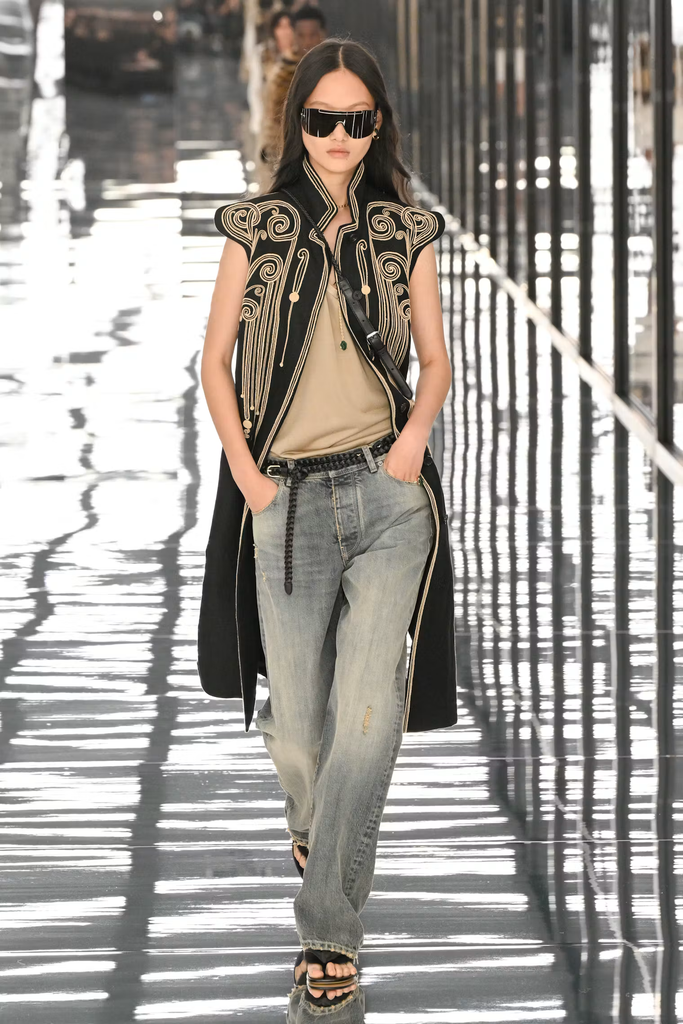
The designer’s exploration began with the relationship between underwear and the body before expanding into larger questions surrounding femininity, intimacy and human connection. Clothing becomes a way of examining how people experience themselves physically and emotionally.
Poet E. E. Cummings also entered that conversation through his poem I Like My Body When It Is With Your. Its emphasis on intimacy and connection offered another layer to Chiuri’s investigation, encouraging a reading of the body that extends beyond appearance.
That distinction matters.
Throughout the collection, the body is presented as something active rather than passive. Garments move with it, reveal it, frame it and sometimes deliberately obscure it. A transparent layer can expose the silhouette while simultaneously creating a sense of separation. A plunging neckline can reveal skin while remaining carefully structured. A visible bra can suggest intimacy while becoming part of the public image.
Chiuri repeatedly plays with those contradictions.
The clothes move between private and public, vulnerability and confidence, exposure and protection. The collection does not treat these ideas as opposites. Instead, they coexist within the same look.
Fendi’s own language around the collection similarly considers the body as both powerful and vulnerable. Chiuri’s designs reflect that duality through contrasting materials and proportions. Strong, figure-defining silhouettes appear alongside fragile lace, delicate fabrics and flowing transparent layers.
That tension gives the collection much of its character.
For all its sensuality, the Spring 2027 wardrobe remains firmly connected to Fendi’s luxury tradition. Precise construction, elaborate embellishment and carefully considered materials prevent the revealing silhouettes from becoming simplistic. The clothes retain a sense of polish and craftsmanship even when they are deliberately provocative.
Carrà’s presence also gives the collection a distinctly Italian personality.
Her career represented a moment when television, music, performance and fashion were deeply intertwined. She understood how to command attention through movement and style, and that confidence translates naturally into Chiuri’s vision. But rather than recreating the past, the designer isolates what made Carrà compelling—her energy, glamour, physicality and fearlessness—and gives those qualities a new context.
The result is a collection that feels nostalgic without becoming retro.
Sparkling evening dresses sit alongside lingerie-inspired separates. Sleek jersey pieces contrast with transparent chiffon. Structured silhouettes are softened by lace, fringe and fluid fabrics. Across the runway, clothing appears designed not only to be looked at but to be experienced through movement.
That may ultimately be the collection’s most important idea.
For Chiuri, the body is not simply the surface that fashion covers. It is part of the creative process itself. It determines how a garment falls, stretches, moves and reveals itself. Clothing becomes a dialogue between designer and wearer.
Fendi’s Spring/Summer 2027 collection embraces that dialogue with confidence. It is glamorous yet intimate, sensual yet controlled, rooted in the visual language of the past while firmly looking toward the present.
With Raffaella Carrà as her guiding reference, Maria Grazia Chiuri has created a wardrobe that celebrates movement, skin and individuality. At Fendi, the body is no longer simply underneath the clothes. This season, it becomes the starting point.